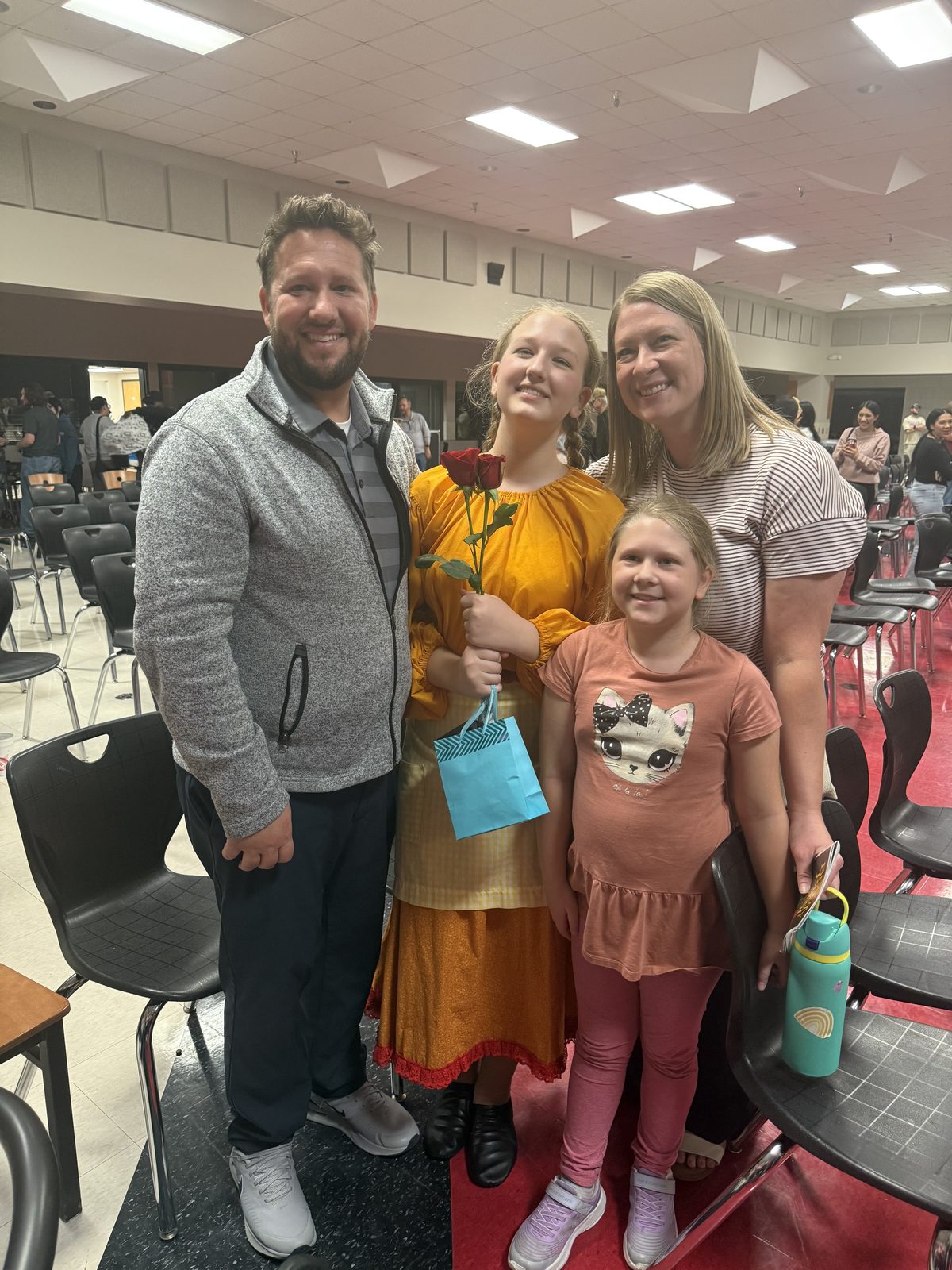
His family
John is a husband to Rachel and a dad to two little girls. Family comes first for him, and it shows.
 Tulsa, Oklahoma
A Kidney for John Watkins
He loves his family, his church and his school. His kidneys are slowly failing, and the only real treatment is a transplant. Here's who he is, where things stand, and how you can help.
Update: John's surgery went really well. Now he's waiting on a kidney. Please pray God brings the right kidney soon.Watch
Join John's prayer chain: pray each day, then invite 3 more.
How it works
How a kidney chain works, what testing looks like, what it costs you, and how to pray with us.
Who John is
John has given most of his life to kids in Tulsa, to his church, and to his family. The people who know him best say the same things about him.
John is loyal. John doesn't complain. Not the way the rest of us would. Not even now.
John is a husband to Rachel and a dad to two little girls. Family comes first for him, and it shows.
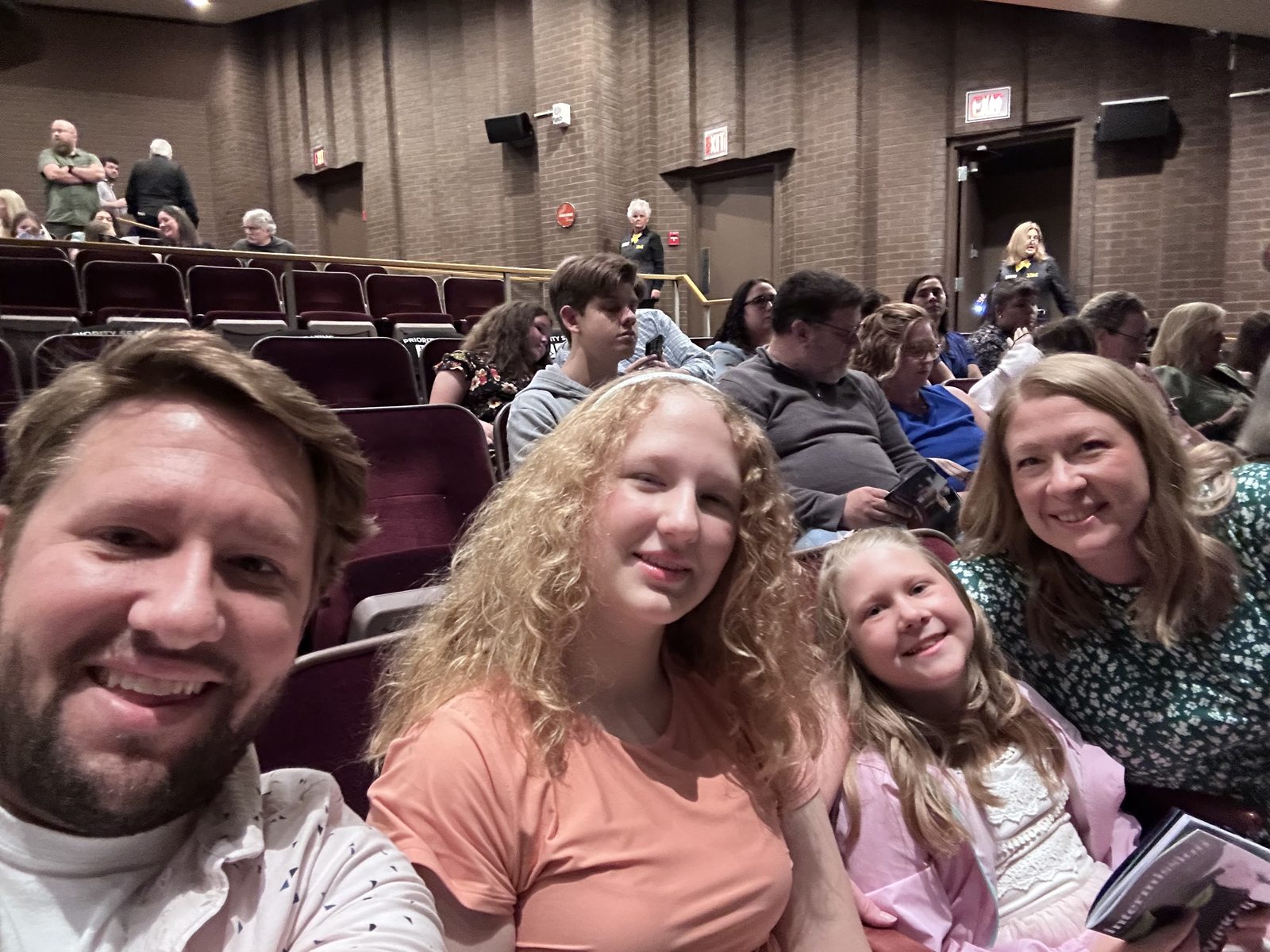
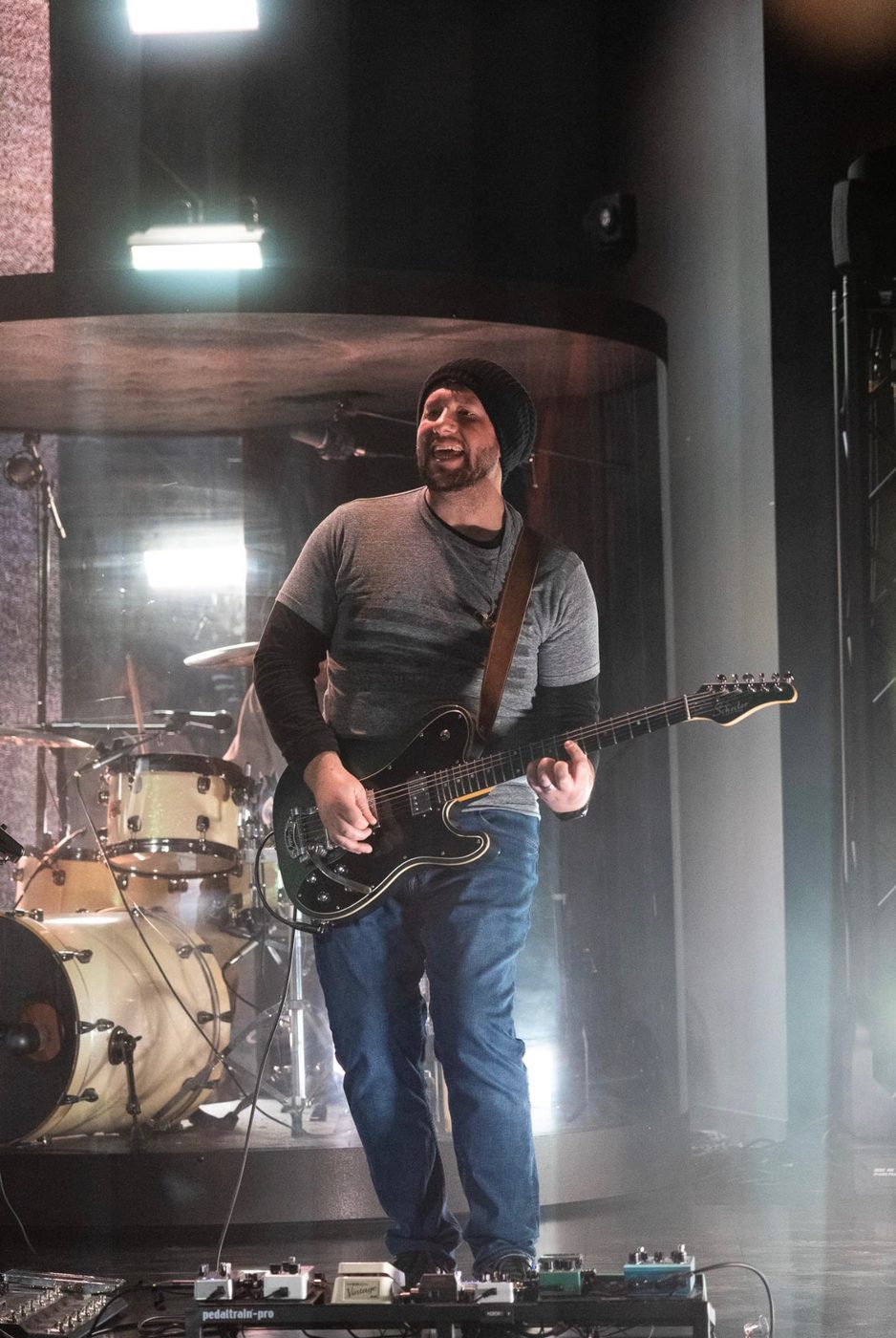
On Sunday mornings John plays guitar on the worship team at Foundations Church in Broken Arrow. Senior Pastor Justin Graves has asked the church family to pray for him.
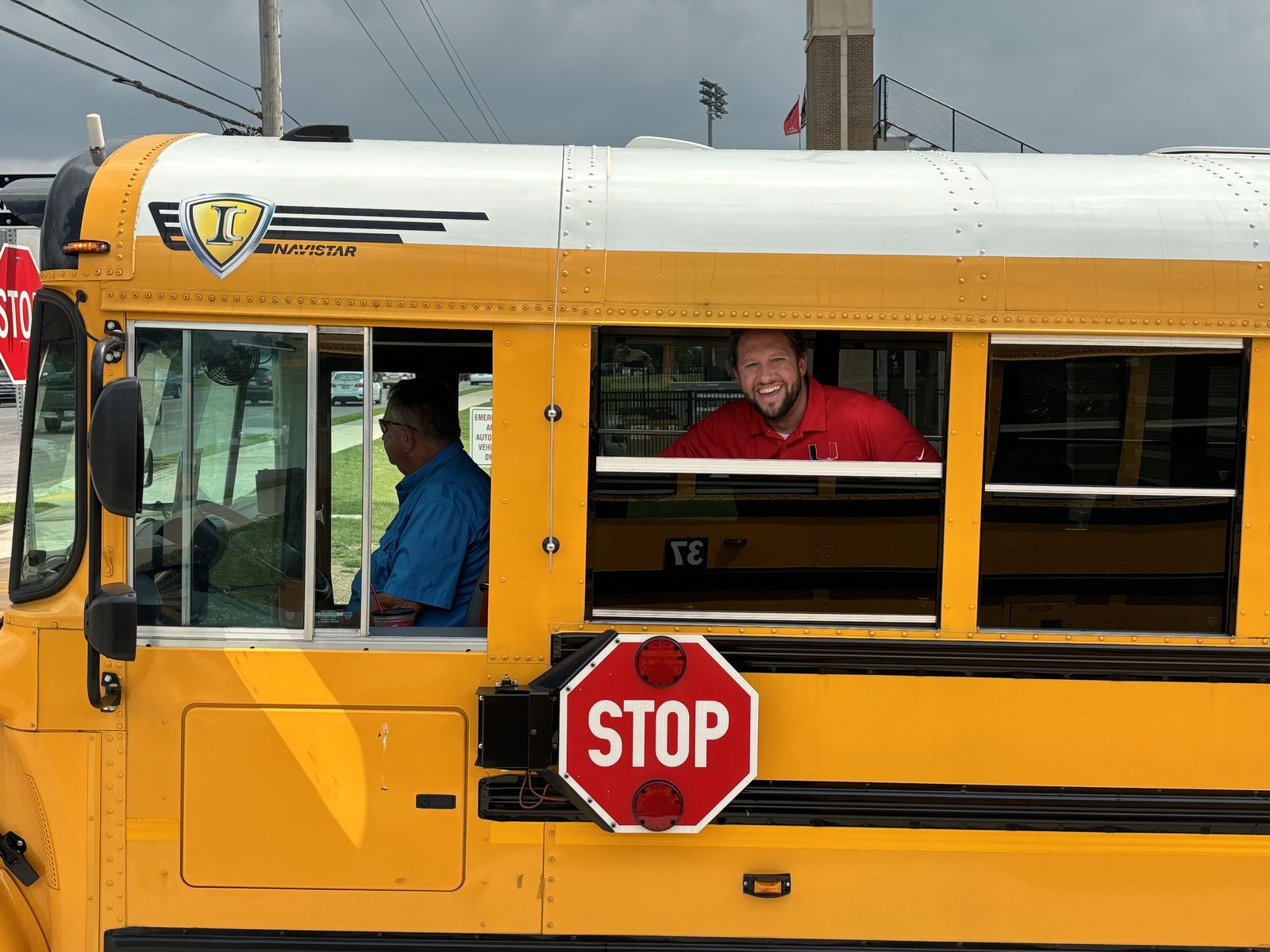
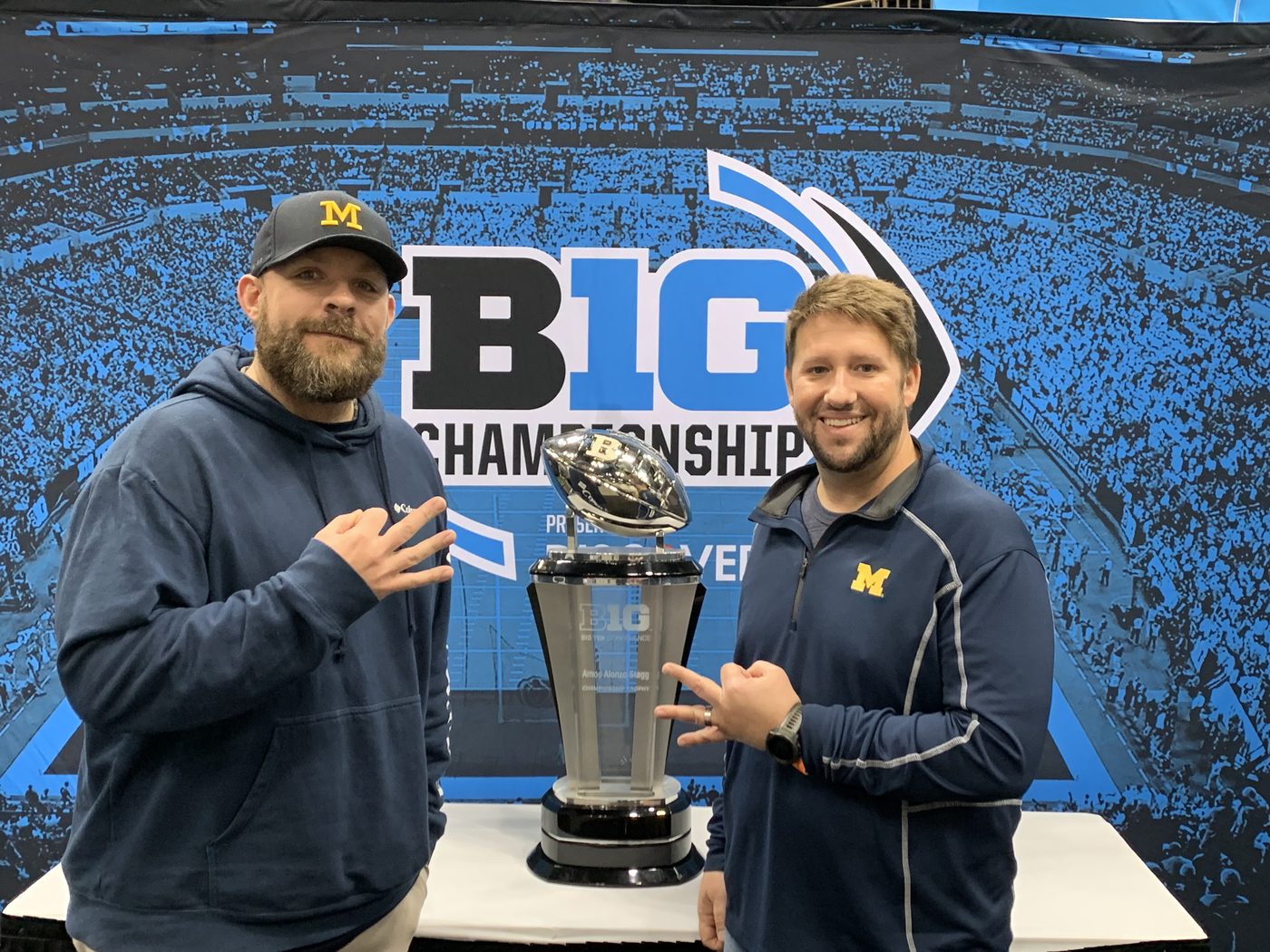
A Union Public Schools "lifer." He graduated from Union High in 2004, came back to work for Union the next year and never left: the Extended Day Program, teaching at Briarglen, Teacher of the Year at Grove Elementary in 2022, and now assistant principal at Ellen Ochoa Elementary.
Where things stand
John has a rare genetic kidney disease called ADTKD-MUC1. There's no cure, and a transplant is the only effective treatment.
John joined the kidney transplant waiting list at Ascension St. John in Tulsa.
His lifelong friend Kraig Mewbourne, a U.S. History teacher and Teacher of the Year at Edison Preparatory, volunteered to give John a kidney. He wasn't a match, so the two of them enrolled in paired kidney donation through Ascension St. John, the first program of its kind in Oklahoma.
News On 6, News9, Union Public Schools and Tulsa World all shared John and Kraig's story. See the coverage.
John's surgery went really well. Now he's waiting on a kidney. Please pray that God brings the right kidney at the right time.
One person saying yes could change everything for John, Rachel and their kids. Here's how to become a donor.
How to help
Start with prayer. Then do whatever you can do today.
01 · Pray
John's surgery went really well. Now he's waiting on a kidney. Please pray:
"But those who hope in the LORD will renew their strength. They will soar on wings like eagles; they will run and not grow weary, they will walk and not be faint."Isaiah 40:31 · NIV
02 · Give, if you feel led
"We are not asking for your money. Just adding our Venmo in case you feel led to help in that way."Rachel Watkins
Gifts help the family buy sanitary and cleaning supplies as needed, to keep the house as germ-free as possible.
venmo.com/u/Rachel-Watkins-90
03 · Become a donor
John still needs a kidney. Donor blood type must be O- or O+. Contact Rachel and she can get you the information to fill out an application.
The online donor form and the Transplant Center are at Ascension St. John in Tulsa. Call 918-744-2925 and say you're inquiring for John Watkins. New to this? Read Living Donation 101.
04 · Share
Most living donors hear about their patient from a friend, not a hospital. Your share could be the one that reaches John's match.
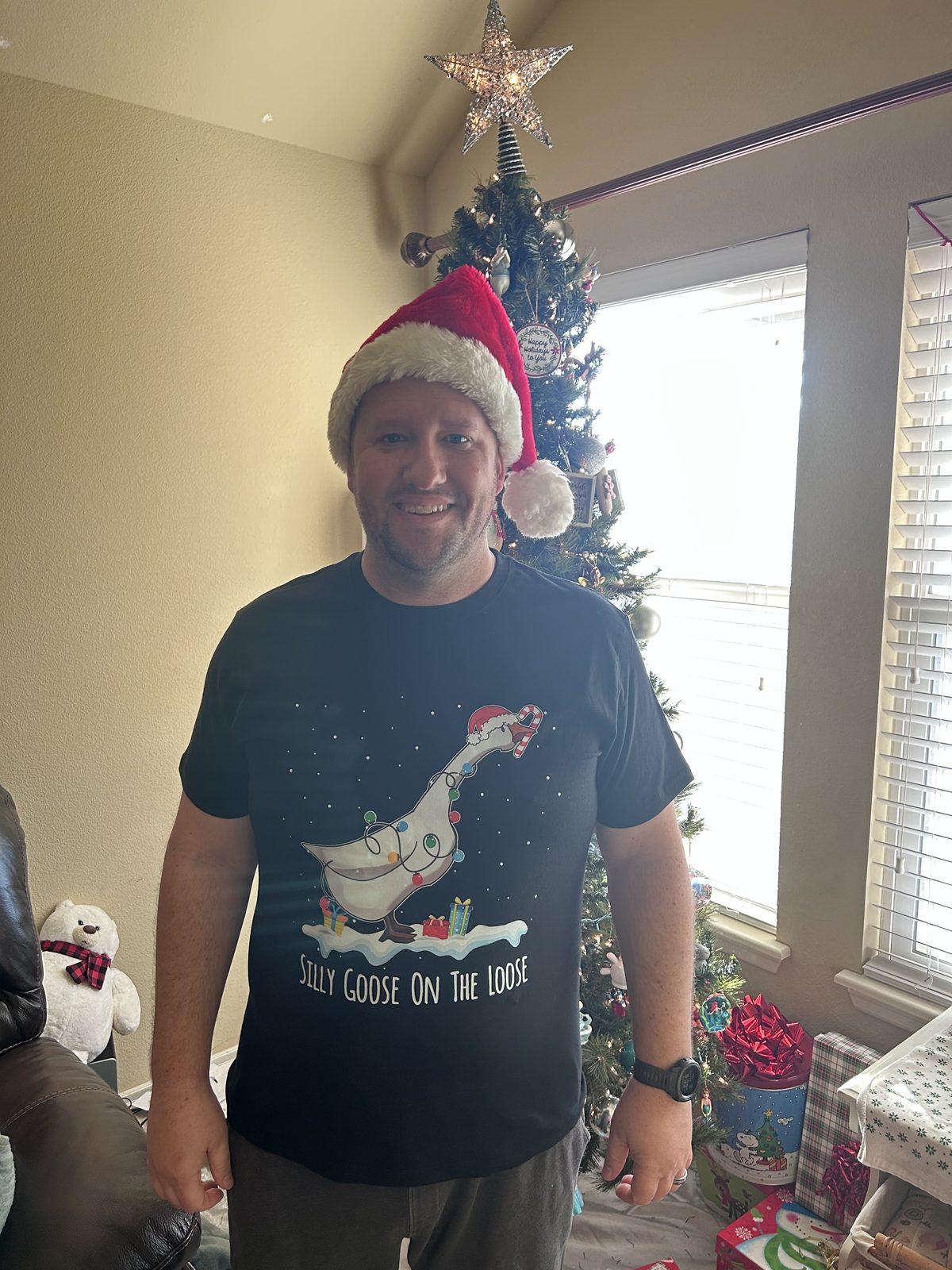
Wear it: the "John Is My Hero" tee on Bonfire starts conversations.
Videos for John
Tap any video to watch full screen. It rolls on to the next one.
Help us find John's match
It takes ten seconds. Post it on Facebook, text it to a friend, or copy the link.
With gratitude
Local businesses who donated shirts so more people hear John's story.
Questions
Pray for John and his family, give through Rachel's Venmo only if you feel led, share his story, and if you're healthy, ask about becoming a kidney donor.
The family is not asking for money. Gifts help them buy sanitary and cleaning supplies as needed. See all the ways to help.
Contact Rachel through the form below and she can get you the information to fill out a donor application.
You can also start the online living donor form at Ascension St. John, or call the Ascension St. John Transplant Center in Tulsa at 918-744-2925 and tell them you're inquiring on behalf of John Watkins.
Start with our Living Donation 101 page. It covers who can donate, what testing involves, recovery, who pays, paired and chain donation, and common myths, with links to the National Kidney Foundation, NIDDK, UNOS/OPTN and the National Kidney Registry. It's general education, not medical advice.
For most healthy donors, no. Living with one kidney is something thousands of people do safely every year. The remaining kidney grows slightly larger and takes on most of the work of two. Long-term studies of living donors show life expectancy comparable to people who never donated.
You will need to avoid contact sports and certain anti-inflammatory medications afterward, and you'll have lifelong follow-ups. Your transplant team walks you through every risk before you commit.
Most living donors leave the hospital in 2 to 3 days, are back to desk work in 2 to 4 weeks, and back to full physical activity in 6 to 8 weeks. The surgery is laparoscopic, with small incisions and minimal scarring. Recovery, week by week.
The donor pays nothing for the medical side. The recipient's insurance covers your testing, surgery, hospital stay, and follow-up. This is federal law.
What's not always covered: lost wages during recovery, travel, childcare. The National Living Donor Assistance Center exists specifically to help with these.
Yes. John is enrolled in paired kidney donation, a program designed for healthy donors who don't match a specific patient. Your kidney goes to someone who matches you. Their donor, who matches John, gives John his kidney. How paired donation works.
Yes, at any point. No pressure, no judgment. The program will give you a private medical reason if you need to withdraw without explaining to family or friends.
Maybe, maybe not. The screening is the only way to know. Common ranges are 18 to 70, no uncontrolled high blood pressure, no diabetes, no kidney disease of your own, BMI typically under 35. Talk to the team: some conditions disqualify you, some don't, some you can fix.
Learn more
For anyone thinking seriously about being a donor.
Contact
Want to be tested, need prayer, or have an idea? Write to us. Every message is read by a real person.
Someone from John's team will read it soon.